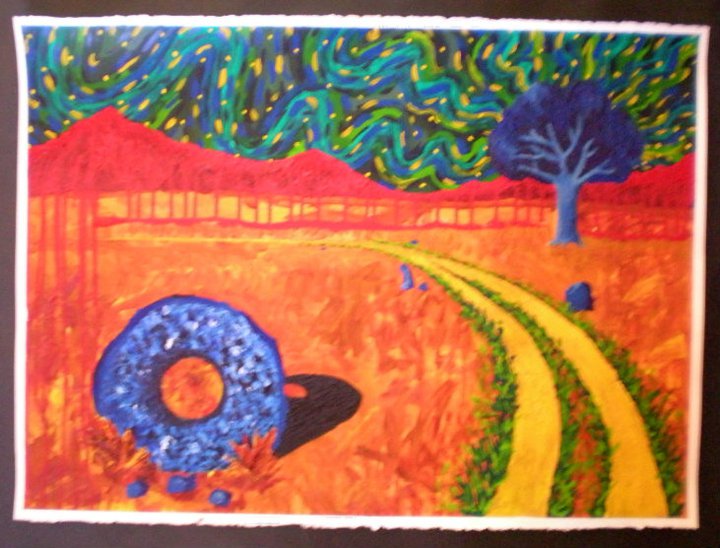
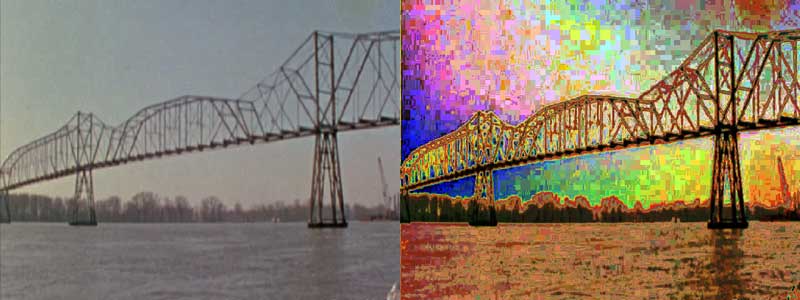
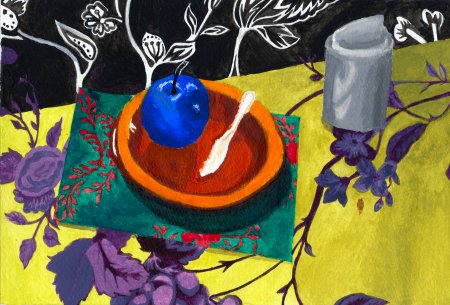
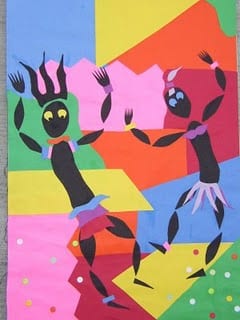
Showing posts with label art history. Show all posts

Saturday, May 30, 2015

Art Criticism + Writing = Analytical Writing


If you teach in one of the states that used the PARCC exam this year, then you know that Analytical Writing is a big part of our students' standardized assessment now. Our students need to be able to prove their ability to:
  • cite evidence
  • analyze content
  • study & apply grammar
  • study & apply vocabulary
  • conduct discussions
  • report findings

Source: PARCConline.org

If you've ever held a formal critique or taught your students the skills of art criticism, you can probably already see how the "Analytical Writing" skills and art class can go hand-in-hand.

Behold... a fantastic TED Ed video that exposes the importance of Art Analysis:

How art can help you analyze - Amy E. Herman

Seriously... if your students don't start paying attention at the bit about bank-robbing ninjas with lasers, then I can't imagine how hard your job must be. But I digress...


It seems that most art teachers follow some version of Feldman's Model of Art Criticism, in which step two is even called "Analysis." If you're like me, you encourage your students to learn and use appropriate art-related vocabulary during critiques (for example, if a student says, "The yellow makes that shape pop," we discuss how the artist "used color to create contrast and emphasis"). We're only on Step 2 of the critique process, and we're already touching upon five of the six analytical writing skills listed above! Art Teachers: WE ARE CHAMPIONS!

Except maybe your students aren't writing... maybe your critique is verbal. Maybe you don't really want to have your students write essays. What can you do?

Example from Julia Sanderl's blog
One option is to grab this popular lesson (beautifully illustrated by Julia Sanderl and her students) and take it for a spin. I recently did, and I got some fantastic results!

Examples from my students at RMHS

My students have 90-minute blocks, so we were able to finish this assignment in one class period.

The handout I gave my students was actually a print-out of the "Feldman's Model of Art Criticism" pdf linked above, with Julia Sanderl's illustration and a short numbered list of instructions on the bottom. I found that my students got a bit confused about which set of questions to answer (the ones in the illustration, or the one at the top), and that some of the questions had wording that was too vague and caused additional confusion. At some point I will make an updated handout for my own future use, and I'll post a link here!

I think if students start using this process early, then writing a more in-depth formal analysis later (in the year or in their progression of courses) would not seem like a daunting task.

Another resource that I have found indispensable this year is this 5-page pdf by Mrs. K. Wood at Forsyth Country Day School. I used her document to create a "Guided Written Art Critique" packet, which served at the mid-term exam for my Advanced Art Students this year.


If you're in search of more resources about art analysis, I tend to gather all the neat stuff I find about critiques (and artist statements) on this Pinterest Board. Please send me your favorites!


P.S. The MOST BEAUTIFUL example of a sketchbook art analysis I have ever seen:

Click to visit the website where I found this analysis


Thursday, March 19, 2015

Cubism - Project Ideas!


Hey, Art IV! Stuck trying to come up with an idea for your Cubism-inspired project? Here are some ideas, and many include tutorials!

*keep in mind that we are almost out of red acrylic paint*

Do you just want to look at some Picasso works and get inspired?


"Shattered Values" project:

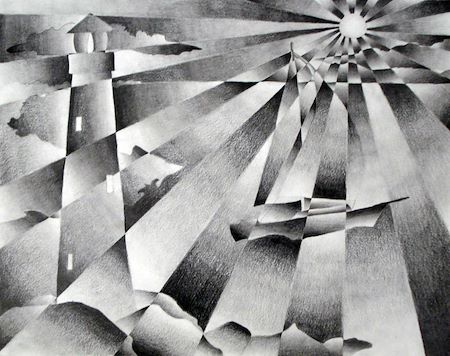
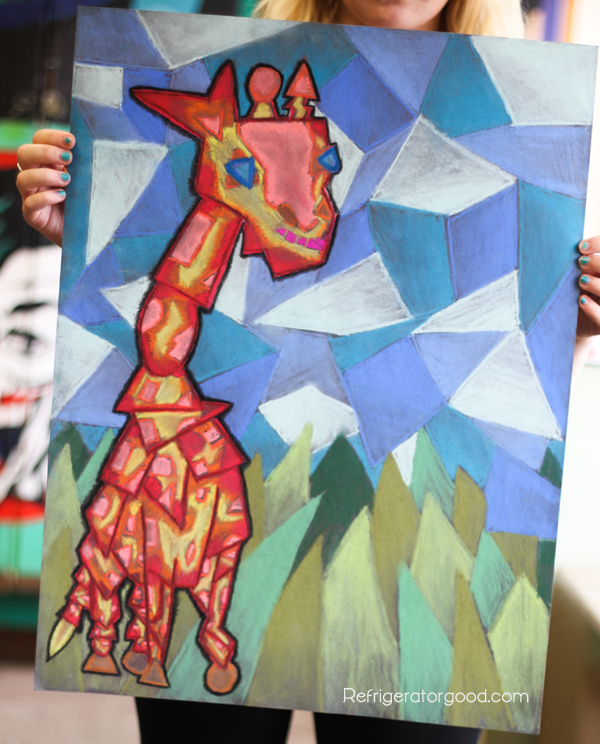
Draw an object or image, divide up the picture plane by tracing a ruler in many directions, then shade each fragment with a gradient.

Or variations of colors instead of gradients:
Artist: Emanuel Ologeano 

If you think this looks difficult --- it's not! Here's a video tutorial about this method that was designed for first graders!!!


Another option: divide up the picture by tracing a stencil:

click either picture for instructions and samples


Make a cubist still life:

Here's a method in which you divide your paper first, then as you draw a still life, you translate (geometry term!) the object up/down/left/right a little bit so that the objects' edges don't line up at the divider lines:
click for more examples
Or divide up and apply color in your own unique way, as this teacher encouraged:

"Cubist Music Still Life" summary and samples from another teacher's blog here
Or go the mixed media route with your still life...
Click for more examples of this project

Forget still life, bruh...


Music was a common theme in cubist artwork... you don't have to do a still life, you could also work from a reference photo of a musician, as these two students did:


This method allows you to work from a reference photo; you cut out and move around the fractured sections, then trace it:

click for instructions

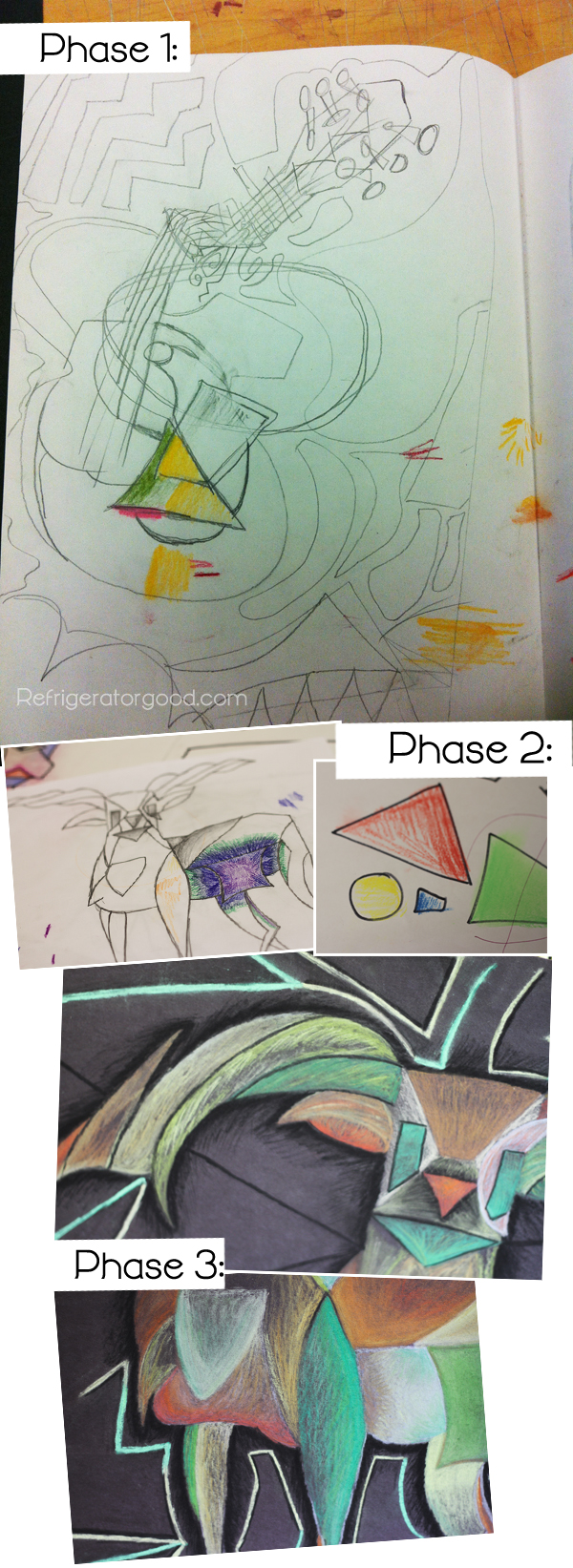
This teacher's project blends more use of your imagination and little bit less "rendering" (drawing to recreate something realistically/just as it looks in life or a photo)
"Phase 1: Students crate cubist style sketched from a photo or life.
Phase 2: Students experiment with oil pastels to create value
Phase 3: Sketches are transferred to large paper, the objective is that each square successfully incorporates value. BLACK is added for extra 'pop' and contrast."


Like this artist, you could use a relatively simple image from pop culture, replicate it overlapping itself in a variety of sizes, angles, etc.:


Other works by the same artist:


Yeah, this Tom Mervik dude is pretty awesome

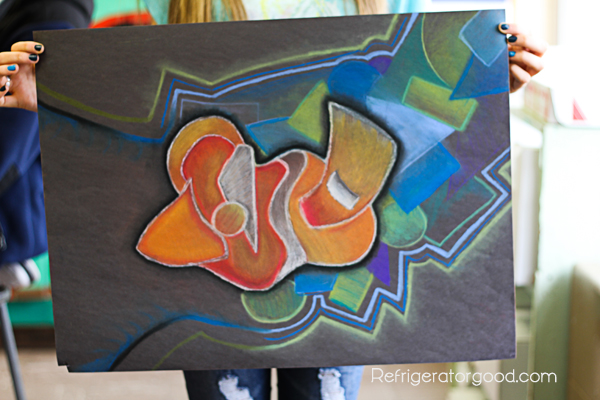
Emulate a masterful work of art, but replace the subject (person/objects) with something that's meaningful to YOU! I like this style, which was inspired by cubism, but painted much later than the original cubists were working:
Samson Flexor, Self Portrait, 1947-48

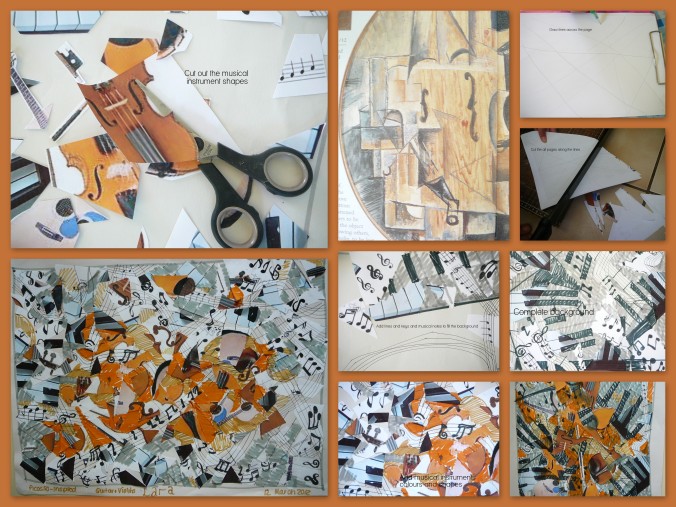
Chop up your drawing, photos, printed papers, etc.!!! Collage them together:
Click for instructions
Or, for slightly less chaos, cut away some sections and replace them with sheet music, textured papers, whatever you can find:


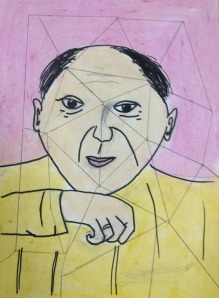
In the style of Picasso's portraits:


Take the concept of this 2nd grade project to a new level... draw different facial features on different pieces of paper and collage them together:

Or a couple more advanced techniques that involve cutting your portrait apart...

 
I don't think this one (above) was a self-portrait... if it was, then poor Carolina

use more than one reference photo; collage them together and draw


No need to just make a drawing... check these out!


More superheroes... I'm a little bit obsessed:


And you know Picasso was also a sculptor, right?


Pablo Picasso - "Mandolin" (1914)

We might be a bit limited with sculpting materials, but you could get creative with cardboard... Picasso did!


Pablo Picasso, Head of a Woman, 1957, Cardboard, Museum Picasso, Paris

Pablo Picasso - Cardboard Guitar (1912)

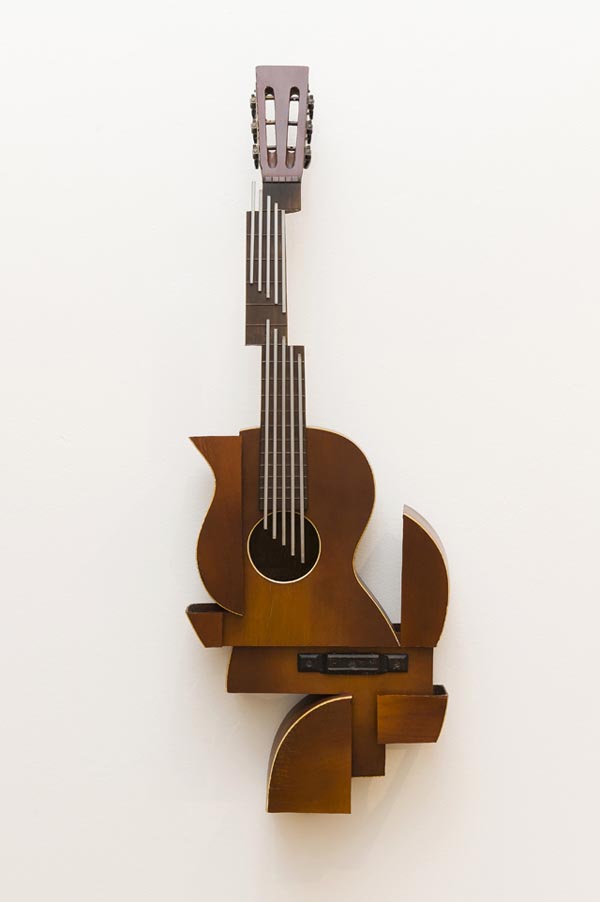
Guitar Sculpture by Ron Ulicny
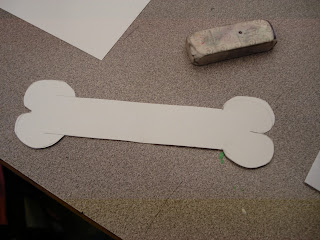
Dog Sculpture by Terrell Powell

Irving Harper

And something fun that you can play with in your free time: Mr. PicassoHead (I didn't check to see if it works on phones) 

Thursday, February 19, 2015

Fauvism & Matisse - Project Inspiration (Art IV)

If you want to review the videos we watched, here are the links:

1. “Art Styles with Mrs. G: Fauvism”
https://www.youtube.com/watch?v=nTNzLjDK8m0

2. “Fauvism – Overview – Goodbye-Art Academy”
https://www.youtube.com/watch?v=Wp0Y8Cgbg1o


And now... for the inspiration!

Here is a unique project that uses watercolors and cut-outs, from Blick:
"Matisse Prints du Soleil"

Instructions: https://www.youtube.com/watch?v=dDniIEVUJoA


Here are some popular examples of projects inspired by Fauvist artwork:

Portraits and self-portraits:

mixed media


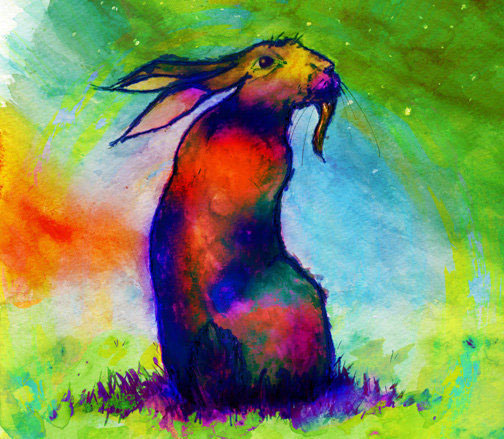
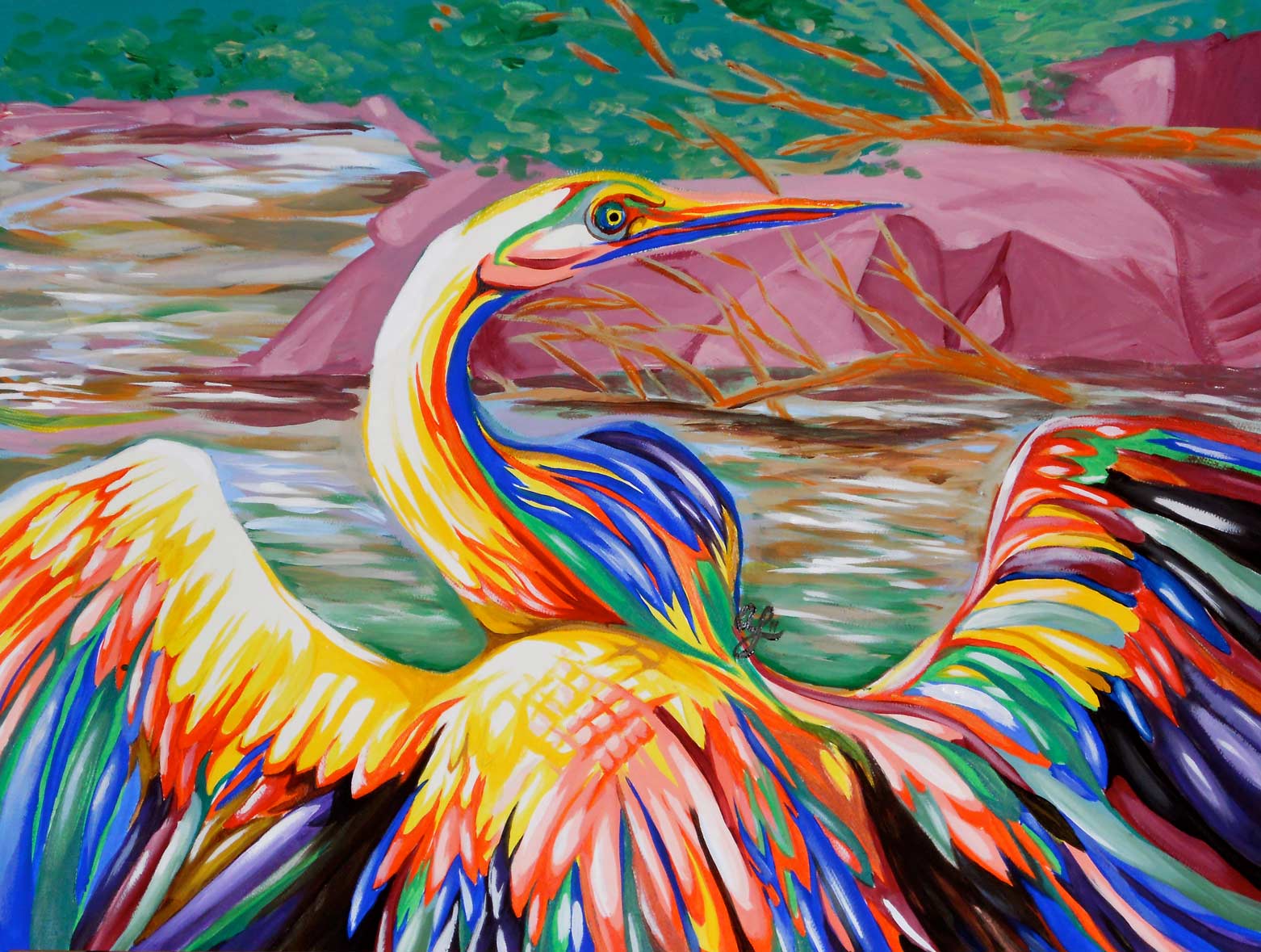
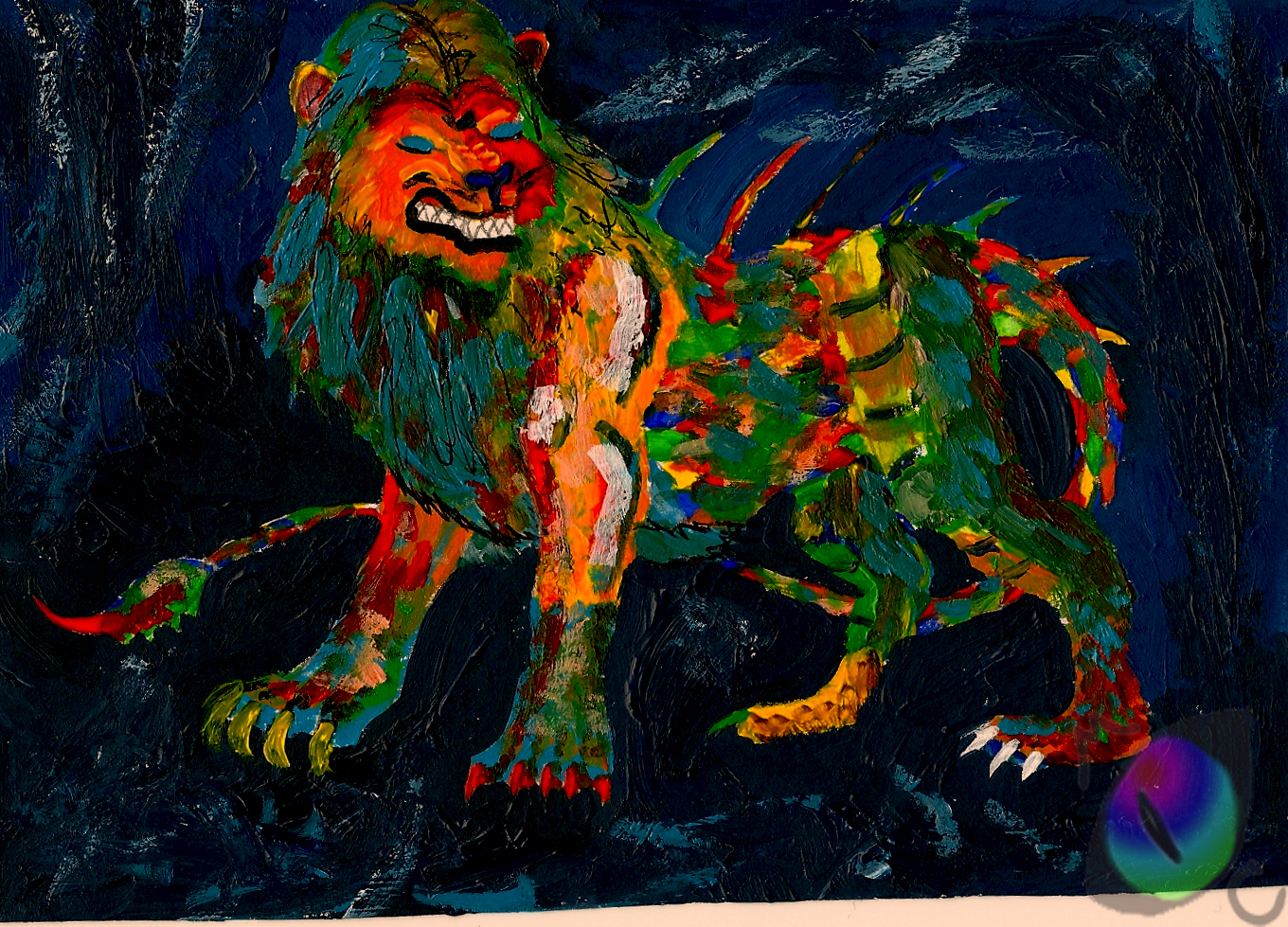
Animals and pet portraits:
watercolor


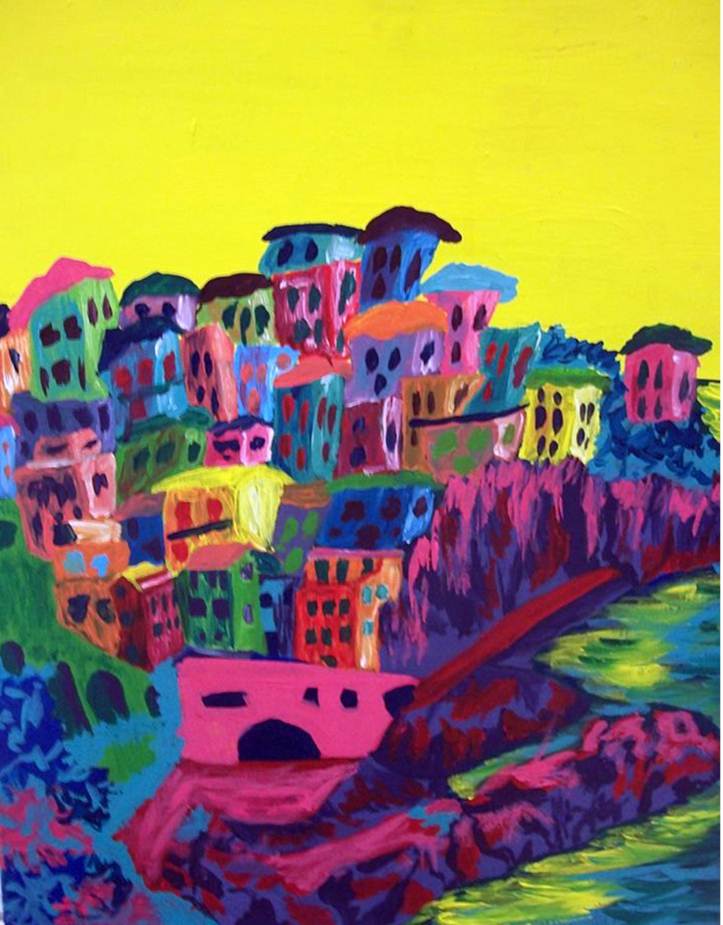
Landscapes, architecture, and city-scapes:


colored pencil

this is digital, but a cool style you could imitate


Still Life:
oil pastel


Projects inspired by the cut-outs:


For those of you who love to draw cartoons, here are some ideas...